Sign up
for our
Newsletters
Subscribe here


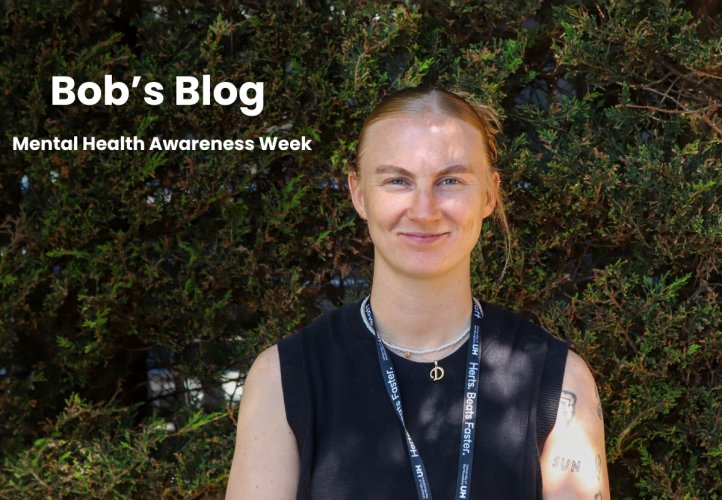
This week marks Mental Health Awareness Week (11th–17th May), led by the Mental Health Foundation, providing an important opportunity to reflect on the conversations surrounding mental health and wellbeing. In this blog, we take a closer look at why mental health matters and explore the crucial role that sport and physical activity can play in supporting positive wellbeing, building connections, and creating healthier communities.
We’ve chosen Action as this year’s theme because, while awareness is vital, real change comes when we take action too. Together, we’ve come a long way on mental health, but we can’t risk going backwards. There’s still much we can do to prevent people becoming unwell in the first place.’ — Mental Health Foundation
Every training session, every match day, every conversation at the side of the pitch has the potential to make a real difference in someone’s life.
That means your club is probably already improving the mental health of your participants — often without even realising it.
As a Sport Welfare Officer in Hertfordshire, it is a privilege to visit such a wide range of clubs across the county. From grassroots football and cricket clubs to martial arts, gymnastics, rugby, athletics and community activity groups, one thing remains consistent: sport creates connection, belonging and purpose.
For many people, their sports club is far more than a place to train. It is a safe space, support network, confidence builder, a routine during a difficult time, and a place where they feel seen and valued.
Research continues to show the powerful relationship between physical activity and mental wellbeing. According to Sport England, being physically active is linked to greater happiness, reduced stress and improved self-esteem. Meanwhile, Mind reports that physical activity can help manage symptoms of anxiety and depression, improve sleep, and increase resilience.
As coaches, volunteers and welfare officers, we may not always realise the influence we have.
When you first sign up to become a coach, you probably imagine planning sessions, developing skills and celebrating progress. You might not expect the moment when:
No one truly prepares you for those moments.
Across Hertfordshire, there are countless coaches and volunteers having similar experiences and asking the same questions:
“How do I support someone properly?”
“What should I say?”
“What if I get it wrong?”
The most important thing to remember is this: you do not need to be a mental health expert to make a difference.
Sometimes, the biggest impact comes from:
Just as importantly, we must also look after ourselves.
Hitchin Belles FC is supported by an incredible volunteer team of nearly 200 coaches. During conversations with their welfare team, it is clear everyone genuinely cares about the wellbeing of their players, but can sometimes feel underprepared or unsure how best to support young people through the emotional side of sport.
These conversations highlighted an important reminder: welfare in sport is not just about supporting participants, but also ensuring coaches themselves feel supported, educated and confident in their role. By creating spaces where coaches can ask questions, share experiences and access guidance around mental wellbeing, clubs can strengthen both player welfare and coach wellbeing together.
Coaches, volunteers and welfare officers give enormous amounts of time and emotional energy to others. Supporting people can be rewarding, but it can also be challenging. Taking care of your own mental health is not selfish — it is essential.
Ask yourself:
Because a supported workforce creates supported participants.
This Mental Health Awareness Week, let’s continue building sporting environments where people feel safe, valued and able to thrive. Get in touch if you’re interested in funding support for mental health training for you club or physical activity provider.
Spot the Signs and Emotional Wellbeing — WithYouth Training | With Youth
Our Funding Newsletter keeps you up to date with all the latest news and funding pots available.
If you have a generic question please email the Herts Sport & Physical Activity Partnership team: hspinfo@herts.ac.uk