Sign up
for our
Newsletters
Subscribe here


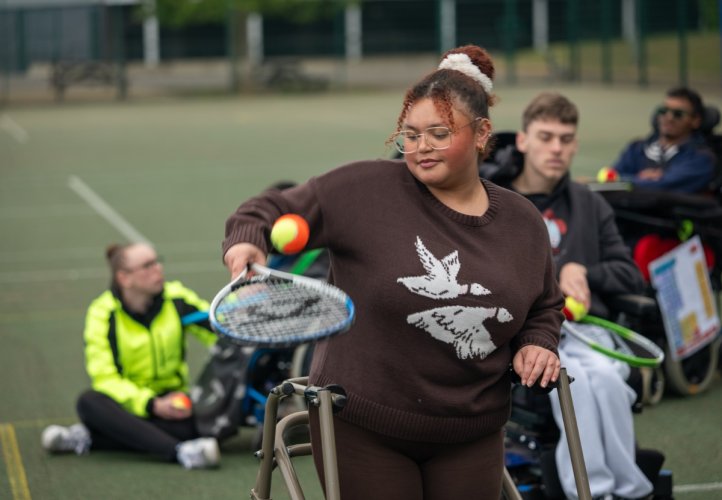
In their Annual Disability and Activity Survey Impairment report released in October, the Activity Alliance highlighted key data for seven impairment groups, comparing findings to the overall sample of disabled individuals who took part. Importantly, many of the challenges experienced by disabled individuals can be similar despite their impairment or health condition. However, there were several nuances identified that suggest the approach to supporting various impairment groups will need to differ.
46% of the sample surveyed identified as having a mobility impairment and three quarters of these individuals wanted to do more activity but only 41% believe they had the opportunity – a pattern observed across multiple impairment groups. Those with a mobility impairment were also more likely to say their impairment or pain stops them from being active (86% vs. 66% of disabled individuals overall), yet they are more likely to listen to an occupational therapist or physiotherapist’s advice. Such a statistic underscores the importance of work here at Herts Sport & Physical Activity Partnership (HSP), where a musculoskeletal project with the Institute of Sport at the University of Hertfordshire is targeting those with musculoskeletal injuries to access physiotherapy support and subsequently re-engage in physical activity sessions.
In the survey, individuals with a learning impairment were more likely to receive assistance from support workers to take part in sport and physical activity than disabled people overall (20% compared with 12%). Meanwhile, people with a visual impairment were more likely to travel actively (57% versus 48%) or use public transport (46% versus 33%) to access activities. When planning activity, providers therefore need to consider potential transport arrangements and timings that would allow these groups to access any given opportunity. While those with a visual impairment are willing to travel further (1-2 hours) than other groups, it is important to consider that if projects are PAN-disability focused, then they should consider that other impairment groups would prefer provision closer to their home address.
The concept of intersectionality has also been covered in a recent report written by the Centre for Social Justice in Sport and Society at Leeds Beckett University, alongside the Activity Alliance. Data from the Annual Disability Activity Survey supports this perspective, with 23% of those who have a social/behavioural impairment identifying as LGBT+, and half of those with a hearing impairment being over the age of 65. Together, these aspects of an individual’s identity can interact with wider factors (i.e., employment) to create different overlapping barriers to being active. As a result, meaningful engagement with disabled people is essential. Listening to individual experiences and understanding specific needs remains critical. A one-size fits all approach cannot be relied upon to create inclusive opportunities in sport and physical activity.
This principle underpins the No Limits 2026 Ambassador Programme, which aims to amplify the lived experiences of disabled people and showcase the role sport and physical activity have played in their journeys. Focus groups with ambassadors have provided valuable insights that can informed work around facility accessibility and workforce development. Similarly, HSP's collaboration with Herts Disability Sports Foundation and Euan's Guide has highlighted the importance of Leisure providers clearly communicating accessible features within facilities, ensuring that people with different impairments have the information they need to participate in sport & Physical Activity with confidence (find out more about our Facility Accessibility Project here).
Through initiatives such as these, HSP continues to apply insight led by lived experience to create more inclusive opportunities, recognising that while many challenges are shared, the solutions often need to reflect the diverse experiences of disabled people.
Our Funding Newsletter keeps you up to date with all the latest news and funding pots available.
If you have a generic question please email the Herts Sport & Physical Activity Partnership team: hspinfo@herts.ac.uk